
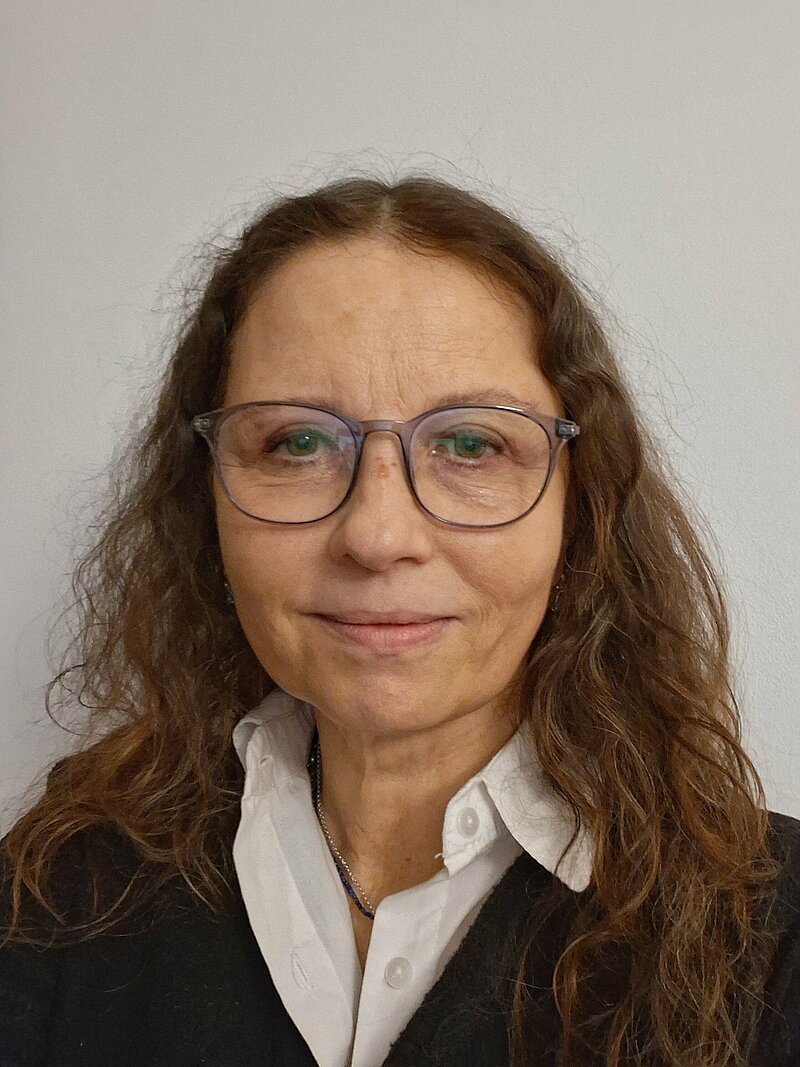
Daniela Centrón. Director of the Institute of Research in Microbiology and Medical Parasitology (Universidad de Buenos Aires/CONICET), Argentina. My work has been focused from the beginning on three crucial aspects of antimicrobial resistance (AMR): its spread in the environment, the molecular mechanisms involved, and the optimization of empirical antimicrobial administration for hospitalized patients, all approached from a One Health perspective. The current work within my group (currently 12 researchers) encompasses essential aspects of AMR evolution and landscape-scale dissemination using artificial intelligence, genomics, and metagenomics, as well as both in situ and in vivo experimentation. We are attempting to answer challenging questions such as the origin of cassette genes, the mobilization of integron integrases in the environment, and molecular mechanisms of mobile plasmids from the open environment. Furthermore, I have proposed a new model of AMR dissemination from the environment to the clinic and vice versa, called the "Bidirectional Model”. The results of my group have been published in over 125 international journals. I am also very interested in human resource development in our region, which is why I have already supervised 18 doctoral students, 7 master’s students, and 12 undergraduate students. In addition, I have been teaching an international course on "Integron Updates" for the past 24 years. This course has been attended by more than 500 doctoral students and healthcare professionals from 10 Latin American countries, who are currently connected through the LATINA Network, created in 2010 by specialists in the field, which I coordinate. I have worked with and/or advised international organizations such as MHIRT, MetaSUB, PAHO, Ab-Work, and LATINA Network, among others. Since 2005, I have led more than 15 bacterial collection campaigns in low-urbanization environments (National Parks of Argentina, Manu Rainforest, Peru, Galapagos Islands, Ecuador, among others) to try to identify plasmids and reservoirs of AMR as well as to understand the flow of AMR genes from the environment to the clinic.